Connecting with the Community at the Baxley Block Party

When
Saturday, July 25, 2026
Where
Baxley, Appling County, GA
Connecting with the Community at the Baxley Block Party
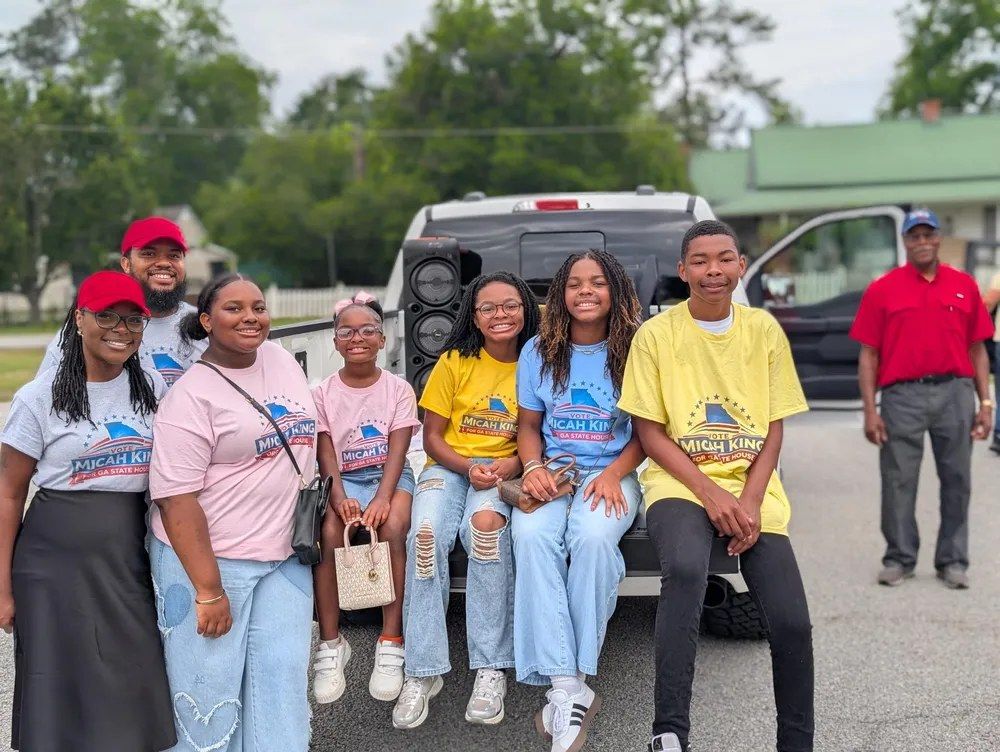
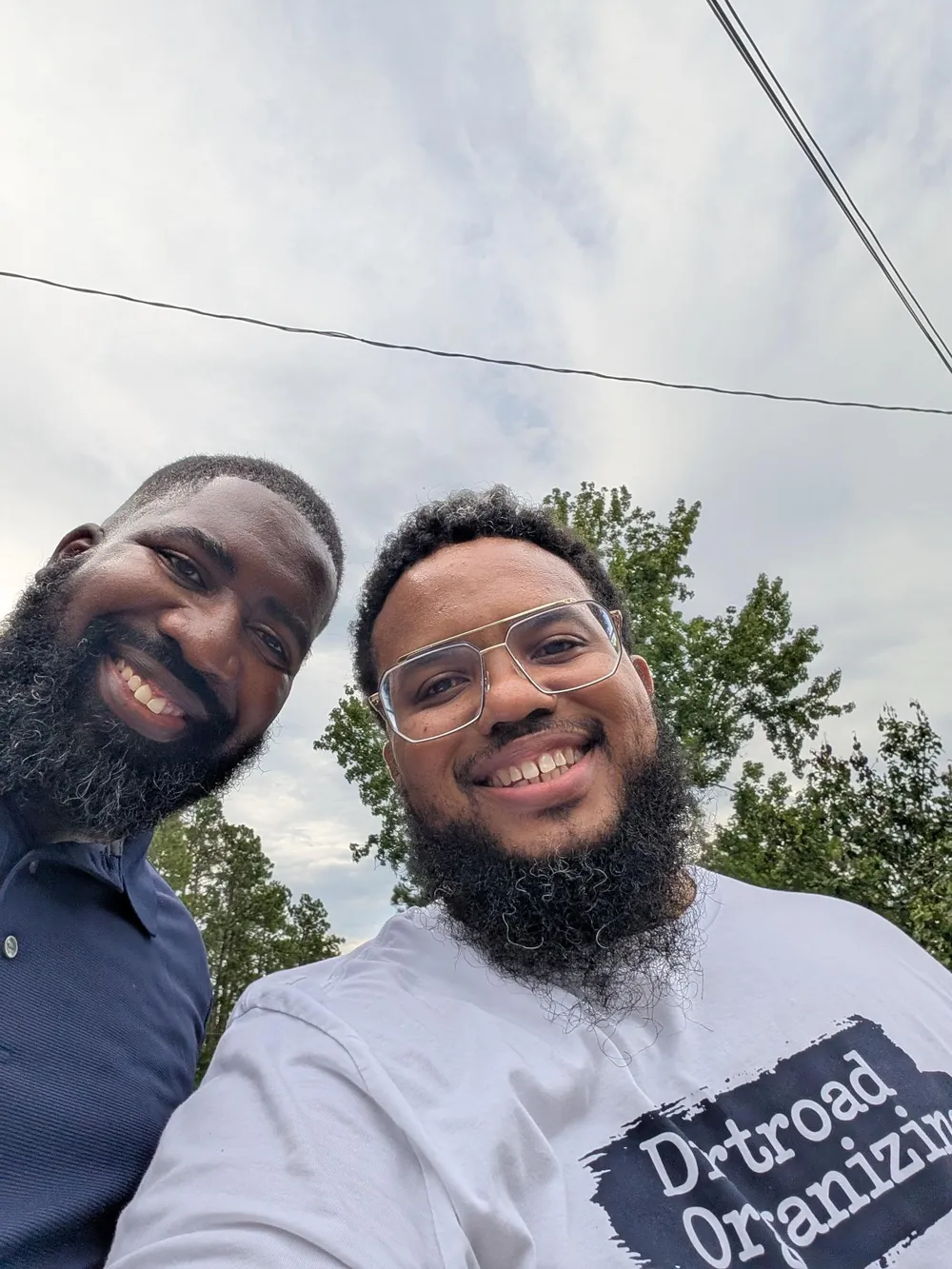
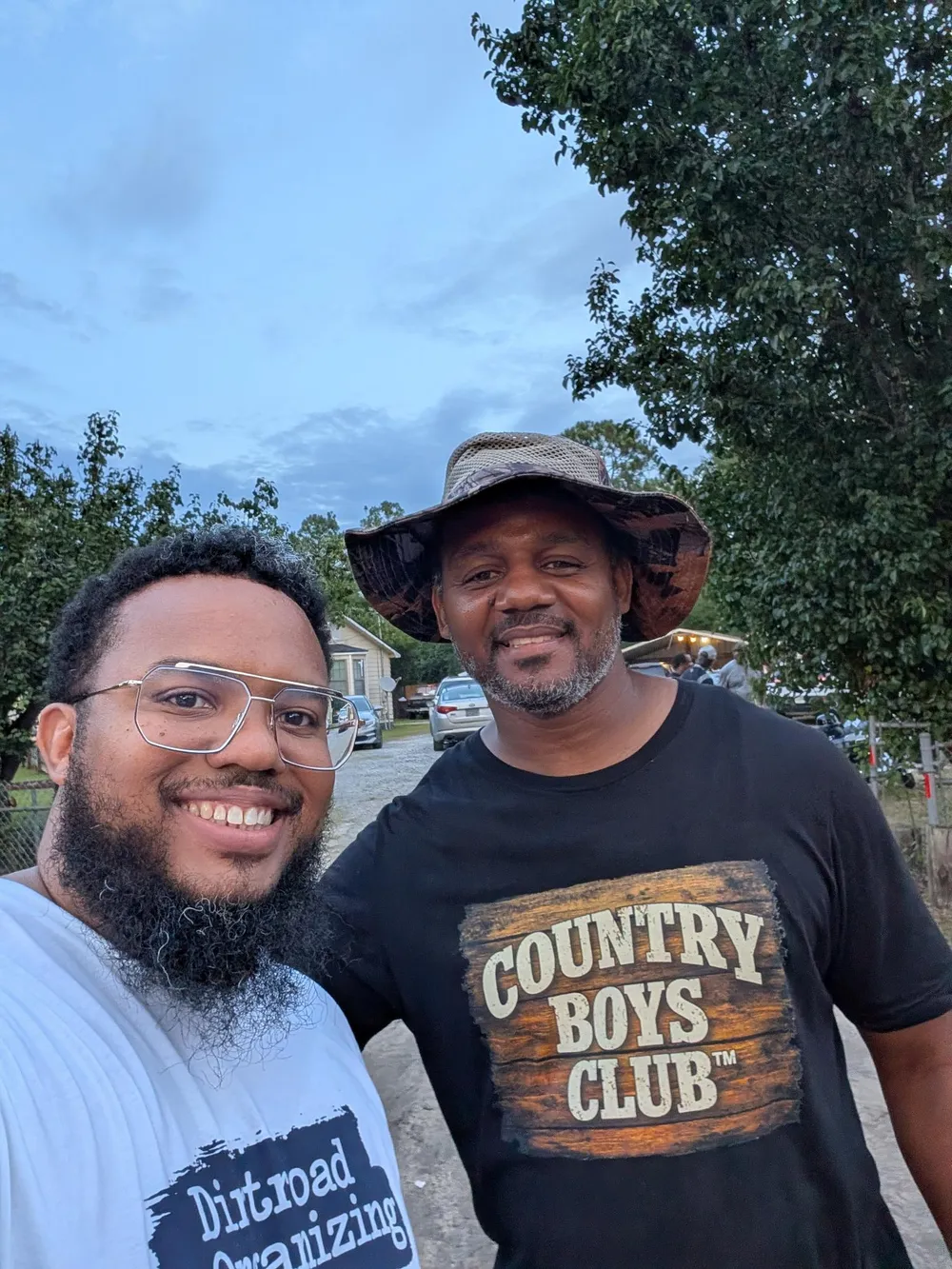
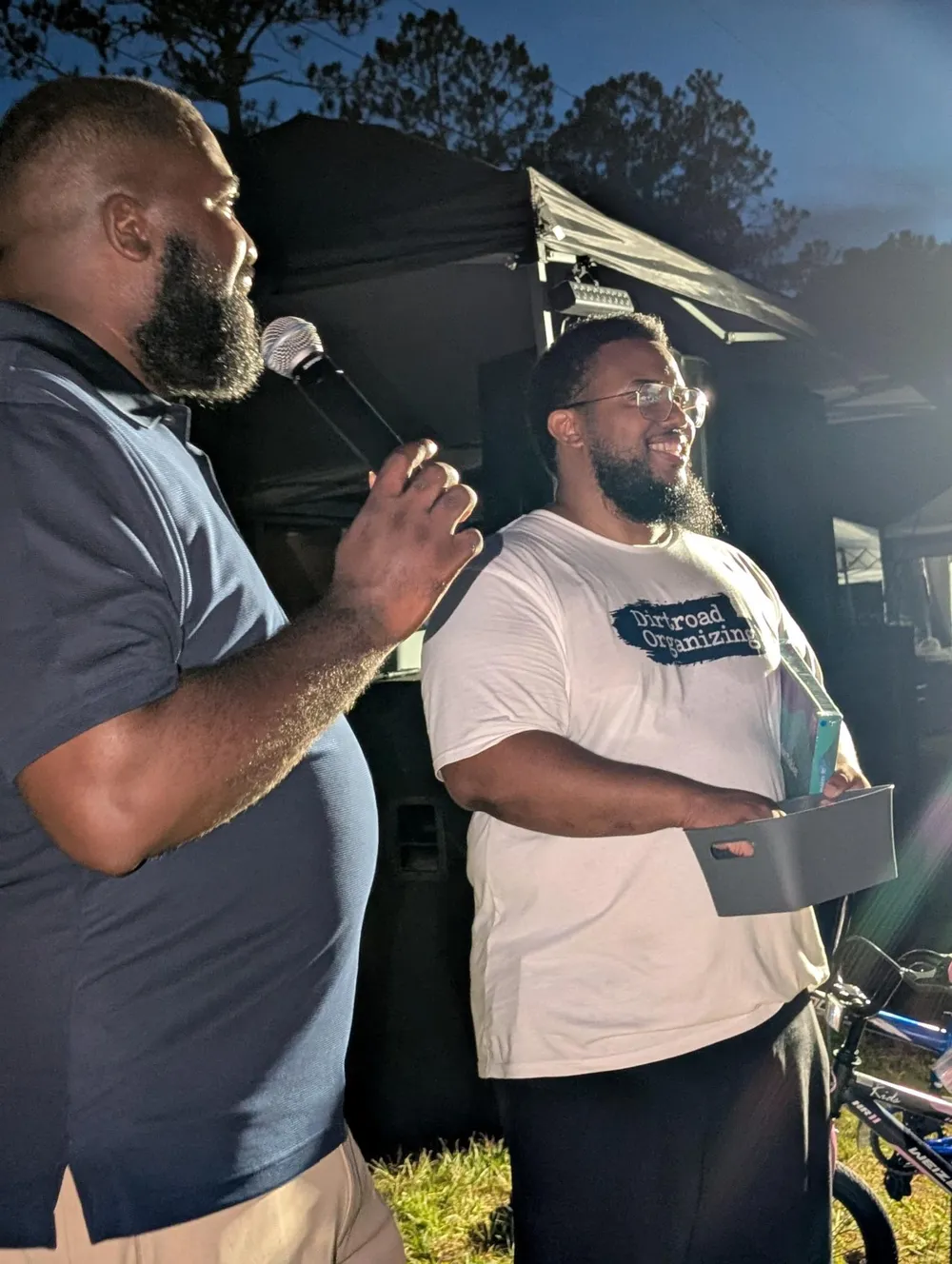
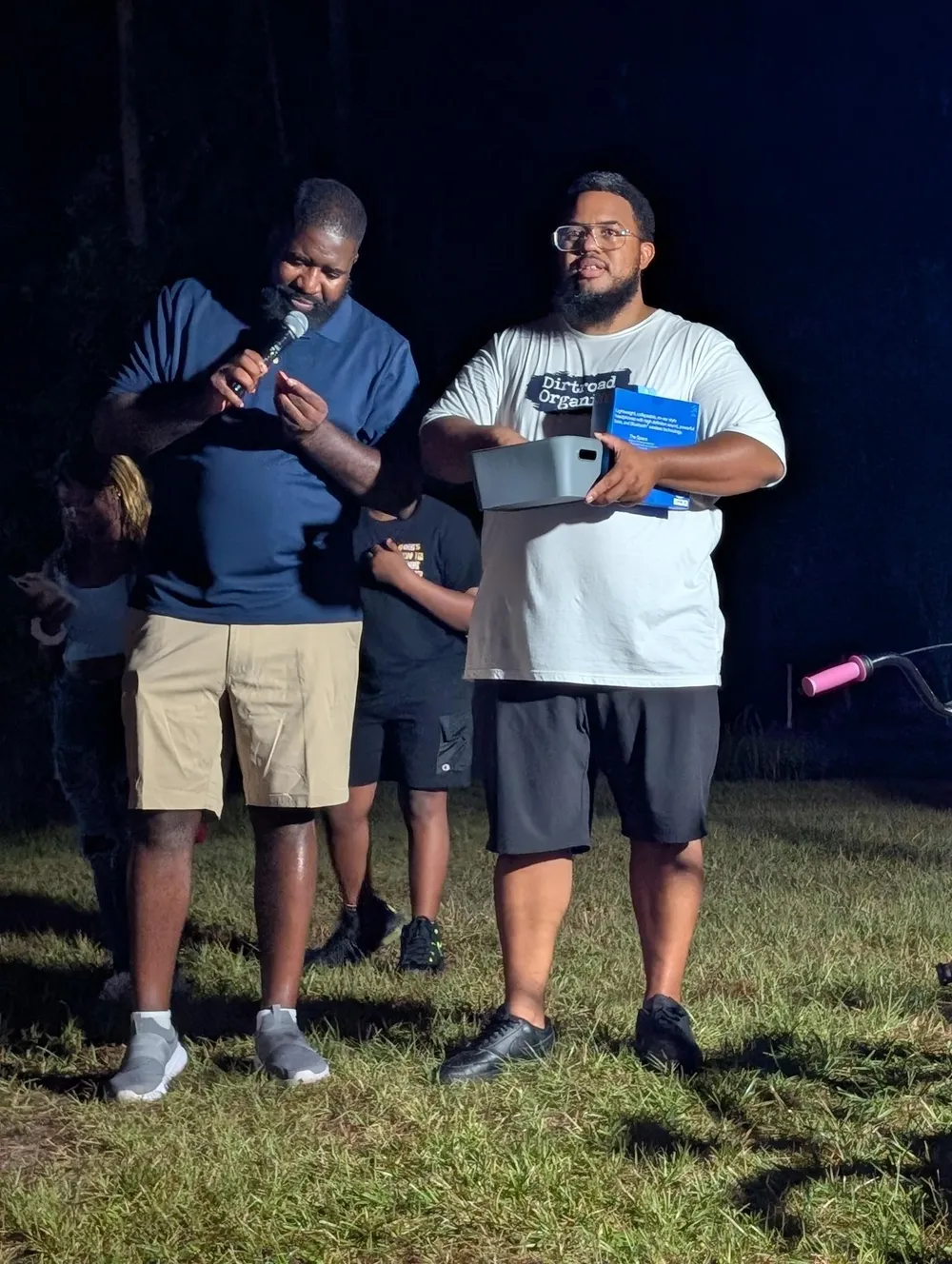
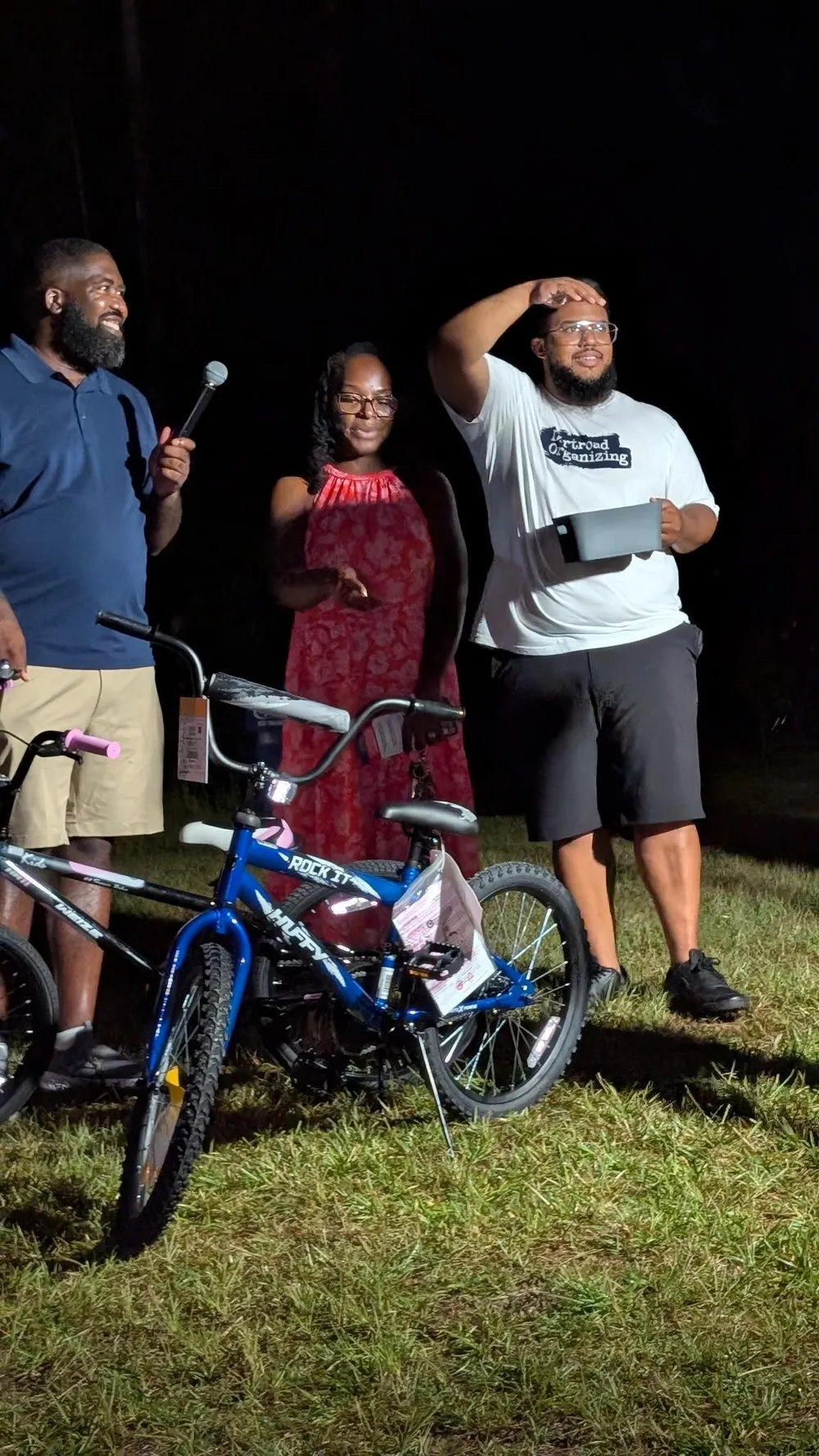
This weekend, I had the privilege of attending the community block party in Baxley, GA. It was a fantastic event sponsored by Marc Carter, who was celebrating his 20th year of hosting this incredible gathering for the community. Twenty years is not a small thing to sustain. It means Marc has been bringing this town together, one summer at a time, through changing economic conditions, changing leadership in Atlanta, and changing seasons in this district’s agricultural economy. That kind of consistency is exactly the spirit this campaign is built around.
A Town Built on Timber, Turpentine, and Grit
To understand why an event like this matters in Baxley specifically, it helps to understand the town itself. Baxley was named for Wilson Baxley, a North Carolinian who arrived in Appling County in the 1820s and ran a log store, trading cattle and timber to markets as far away as Savannah and Darien. When the Macon and Brunswick Railroad came through in 1870, Baxley sold the right of way near his store, and the resulting depot, known as Station Number 7, grew quickly enough that voters relocated the county seat there from Holmesville, with the Georgia legislature officially incorporating the town in 1875.
For much of the late nineteenth and early twentieth centuries, Appling County was known as the turpentine capital of the world, with workers tapping pine trees across the county and floating cut timber down the Altamaha River on rafts nearly 175 feet long to sawmills in Darien. Baxley’s economy shifted over the decades, from naval stores to tobacco to, in the 1930s, a national reputation for sweet potato plants. During the depths of the Great Depression, the local Kiwanis Club shipped more than a million sweet potato plants to families in Atlanta and invited the governor himself to speak at the celebration. That history matters because it is a reminder that this community has always found ways to take care of its own, and to take care of others, even during hard times. The block party Marc Carter has hosted for twenty years is a direct continuation of that same instinct.
Kitchen-Table Issues, Not Atlanta Talking Points
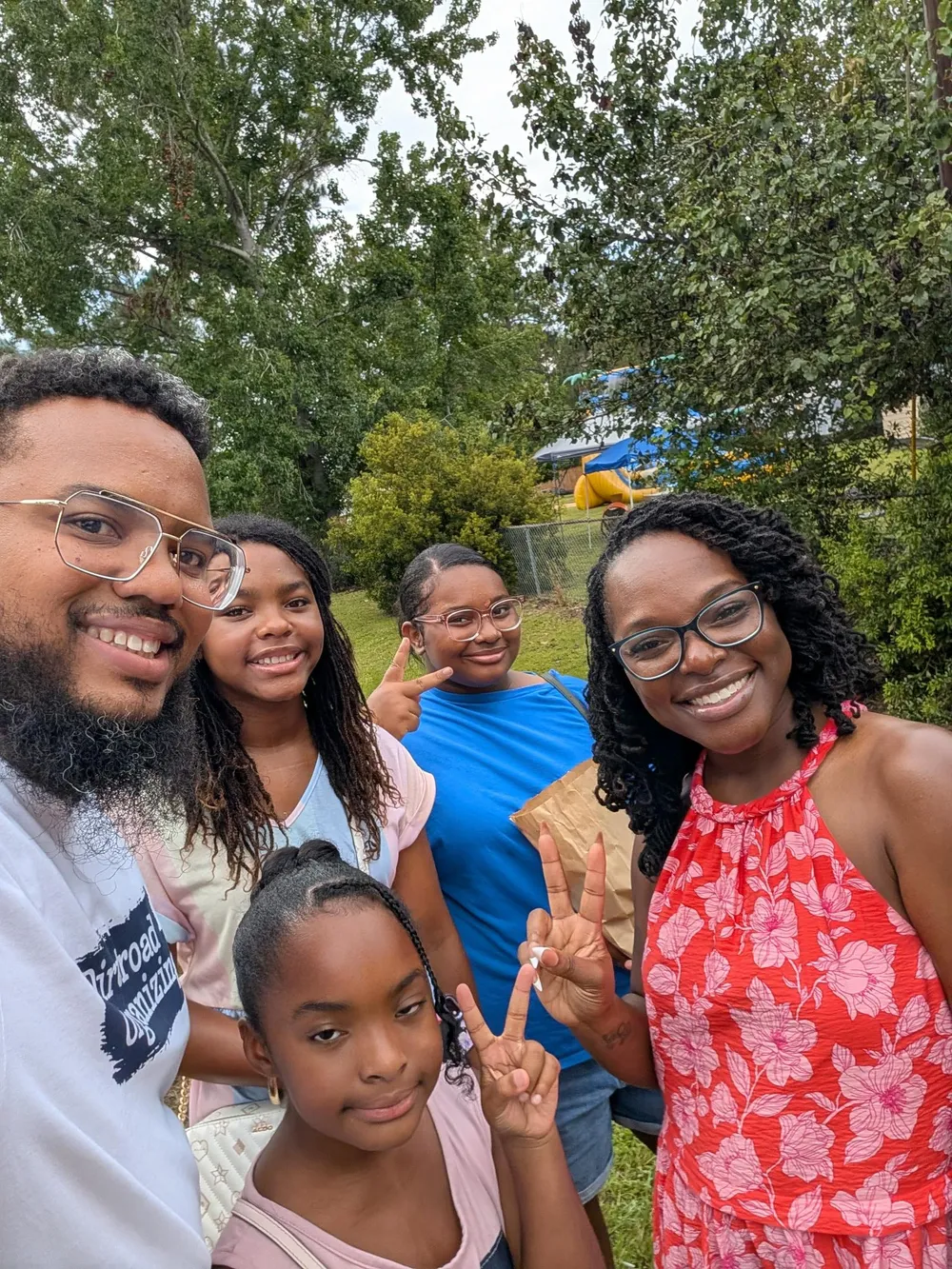
I was honored to participate in the giveaway and have the opportunity to address the crowd. I told them:
“You may not want to talk about politics at a block party, but after the party is over, our kids still have to go to school, our families still need to be able to afford to buy food and gas, and we still need resources here in rural Georgia so we can have a good quality of life.”
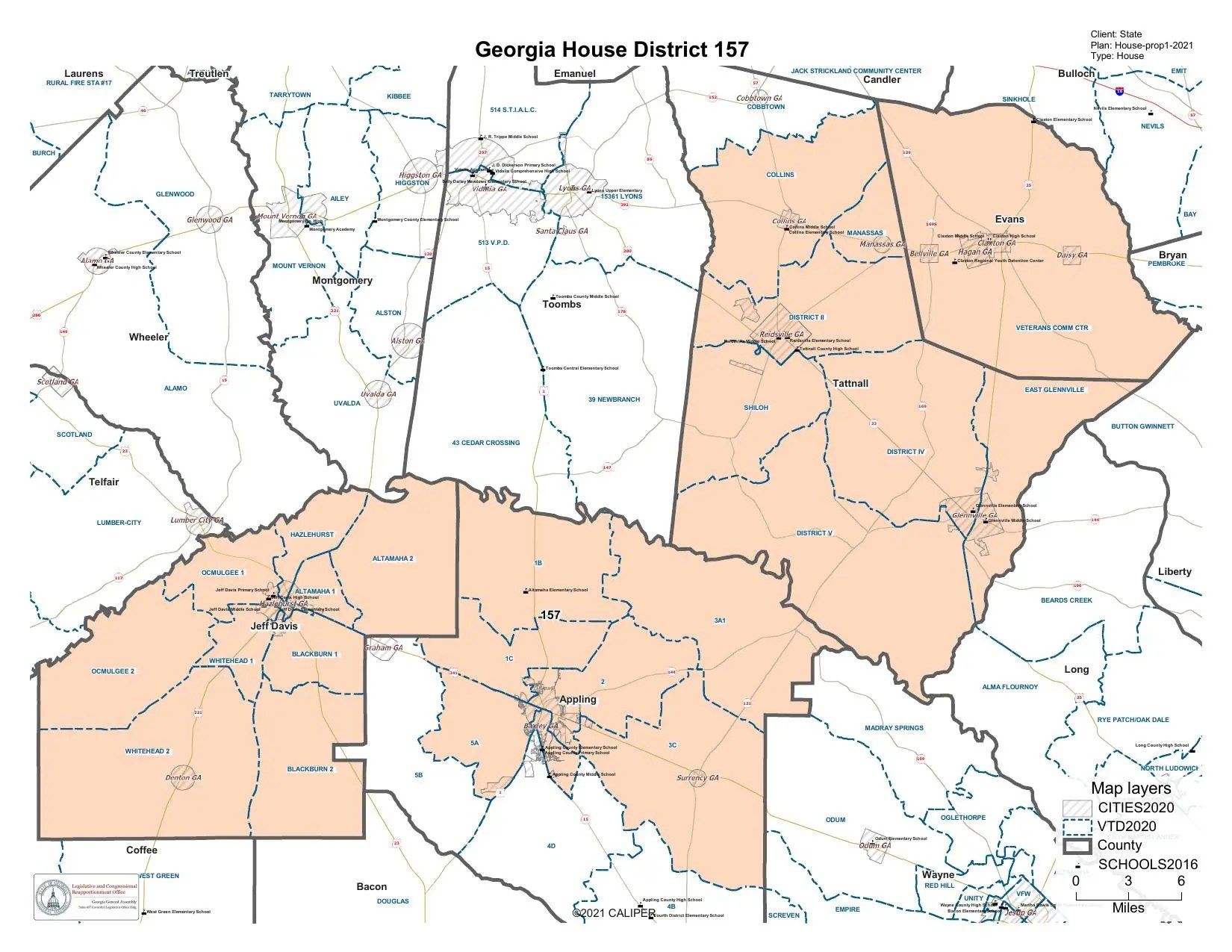
That is exactly why I’m running for State House. The decisions made in Atlanta impact our everyday lives here in District 157, whether we are at a community gathering or sitting around our kitchen tables. We deserve a representative who understands the real challenges we face, from the rising cost of living to ensuring our local schools and infrastructure have the support they need.
What Those Numbers Actually Look Like in Appling County
It is worth being specific about what “kitchen-table issues” actually means here, because the numbers tell a real story. Appling County’s median household income sits at roughly $46,651, well below the statewide median, and more than 22 percent of county residents live below the poverty line, nearly double the national rate. Inside Baxley itself, the numbers are tighter still, with a median household income closer to $29,880. When families in this community talk about the price of groceries or the price of a tank of gas, they are not speaking in the abstract. A modest increase in either one takes up a real share of a family’s monthly budget in a town like this, in a way it simply does not in wealthier parts of the state.
Healthcare access is part of that same picture. Appling Healthcare, a 64-bed hospital, remains the primary source of emergency, surgical, and specialty care for the entire county, and roughly 14 percent of Baxley residents currently lack health insurance, a rate higher than the state average. That is exactly the kind of local reality that gets lost when statewide policy is written by people who have never had to drive an hour for a specialist appointment or worry about whether their local hospital can keep its doors open.
Why Local Gatherings Like This One Matter
There is a temptation in modern politics to assume that real engagement only happens through television ads, mail pieces, or social media. I do not believe that, and events like the Baxley Block Party are exactly why. A community that gathers, year after year, for two decades running, around food, music, and a shared sense of place, is a community that already understands something many politicians never learn: that strong local ties are the actual infrastructure of a healthy district. Policy built in Atlanta without that understanding tends to miss the mark, no matter how well-intentioned it is.
That is also why I believe so strongly in local control. Decisions about how to spend limited state resources, how to structure property tax relief for working families, and how to protect small towns like Baxley from being an afterthought in statewide utility and infrastructure planning should be made with direct input from the people who actually live here, not imposed from Atlanta based on assumptions about what rural Georgia needs.
Thank You, Baxley
Thank you to everyone who came out to the block party and to Marc Carter for two decades of dedication to Baxley. Twenty years of bringing this community together is a genuine act of local leadership, the same kind of quiet, consistent service this district deserves from its representation in the Georgia House. Together, we can build a stronger, more prosperous future for all of rural Georgia, one built on the same foundation Marc Carter has been laying, block party by block party, for twenty years running.
Event Highlights

Micah King
Candidate for Georgia House of Representatives District 157 representing Tattnall, Jeff Davis, Appling, and Evans counties.